
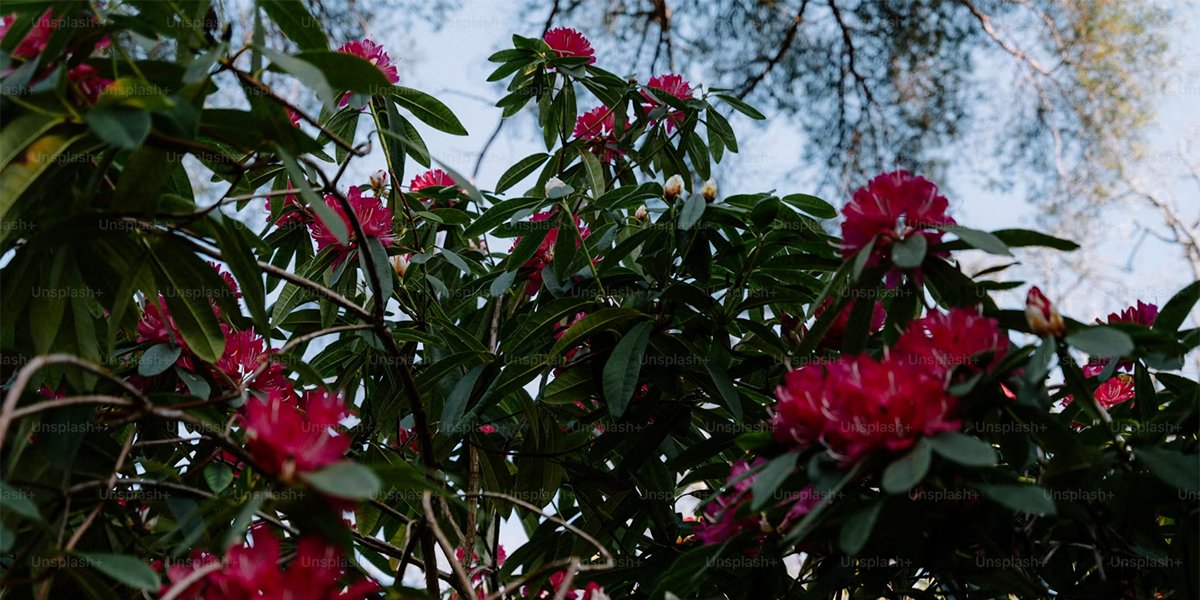
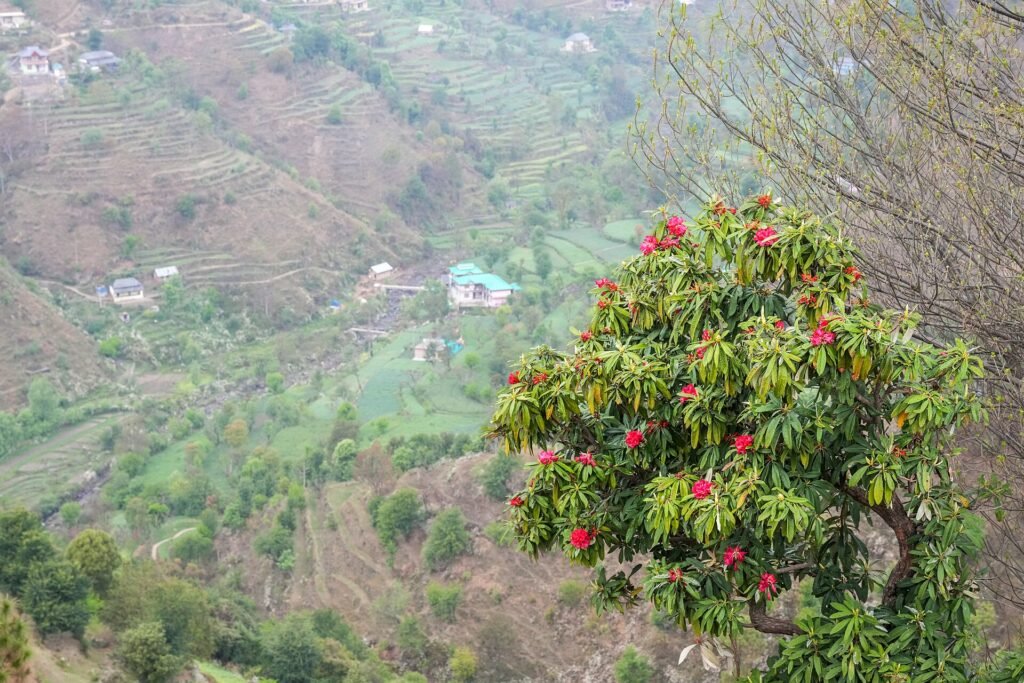
There are flowers that belong to the landscape, and then there are flowers that become part of a place’s culture. In the hills around Bir Billing, Himachal Pradesh, rhododendron—or buransh, as it is locally known—is one such flower.
The sight of a rhododendron tree covered in crimson or pink blossoms is one of the most memorable signs of spring in the Himalayas. It typically flowers between March and May.
What makes buransh particularly fascinating is that it does not simply decorate the mountains. It also finds its way into Himachali kitchens.
Rhododendron tree with blossoms on a rainy morning, near Kataula, Mandi district, Himachal Pradesh, India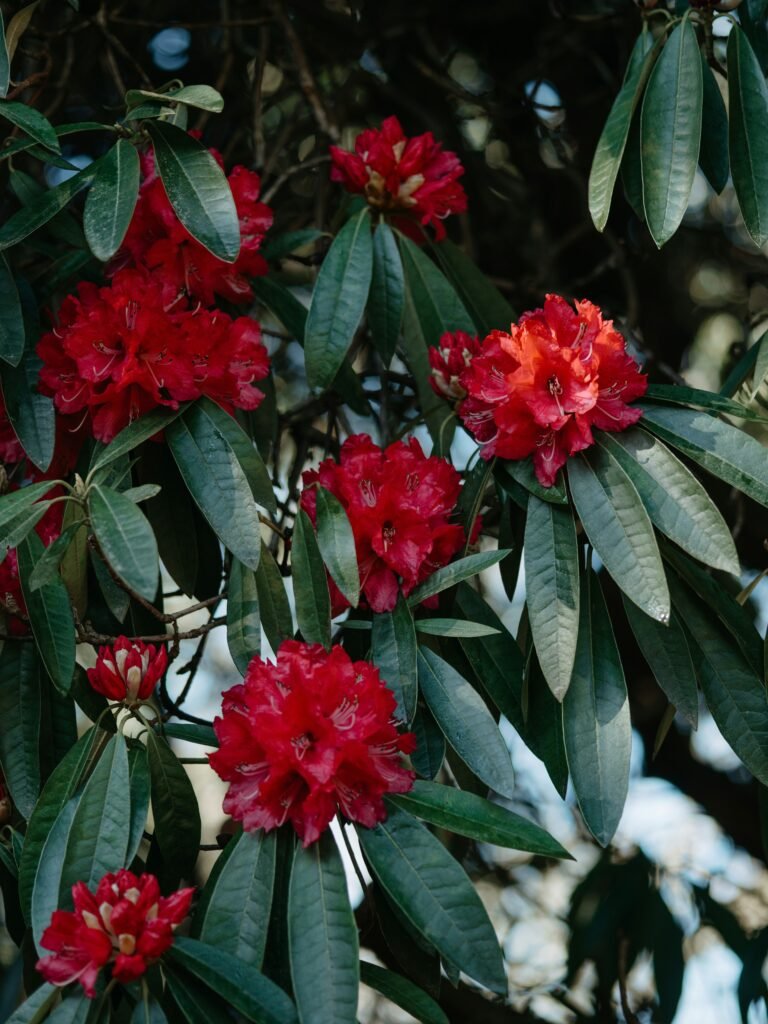
Photo by Annie Spratt on Unsplash
In parts of Kangra and the Dhauladhar hills, the flowers have traditionally been collected and used to make chutney. The petals can then be ground with ingredients such as mint, coriander, chilli, salt and anardana (dried pomegranate seeds), creating a chutney with a distinctive tangy, slightly sour and refreshing flavour.
The chutney is deceptively simple. There is no elaborate cooking involved; the character comes from the flower itself and the ingredients traditionally paired with it. In some homes, fresh petals are used, while dried petals can be stored and brought back into the kitchen outside the flowering season. It is served alongside everyday food such as roti, rice, sabzi and pakoras.
Buransh has other culinary uses too. Across Himachal, its flowers have been used for juices, squashes and jams, turning a seasonal Himalayan bloom into something that can be enjoyed long after the flowering season has passed.
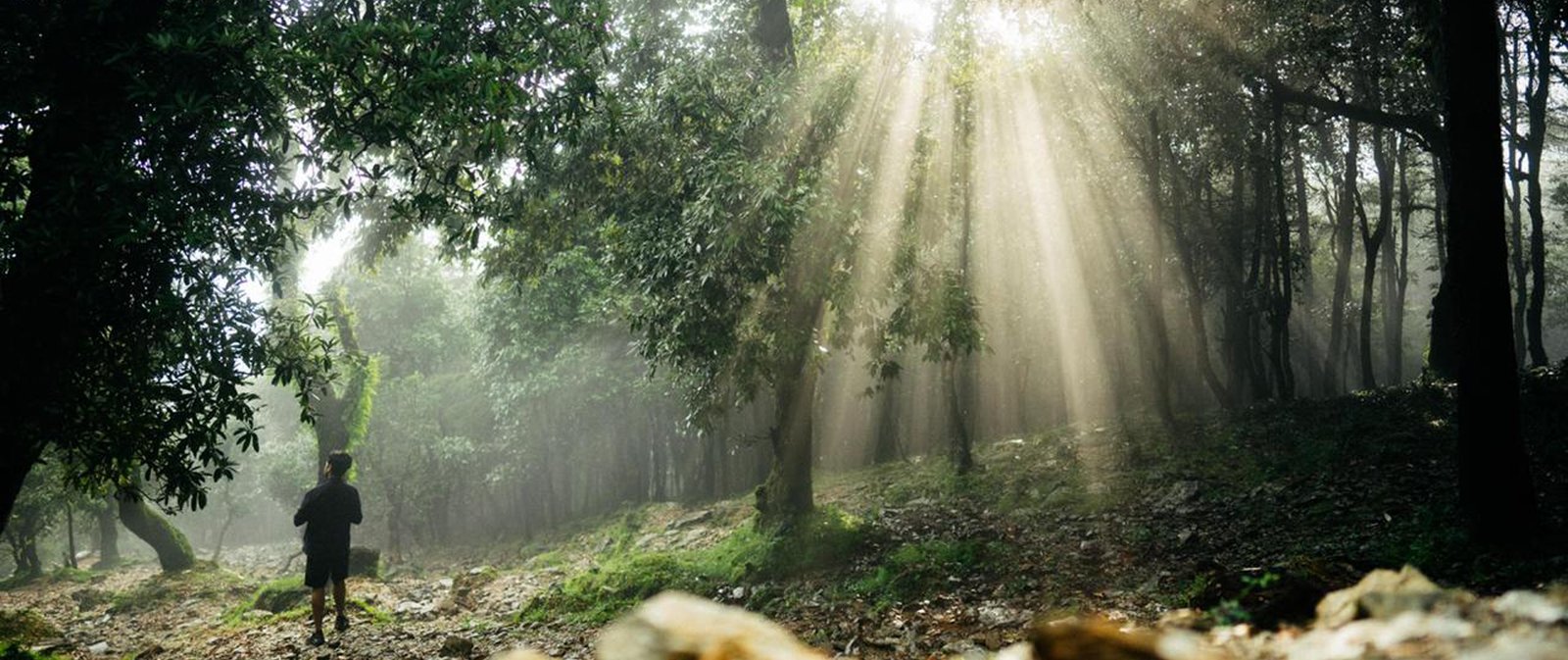
This relationship between the forest and the kitchen says something important about life in the mountains. The forest is not simply scenery; it has traditionally been a source of food, flavour and knowledge. A walk through the hills can therefore reveal ingredients as well as views.