
There are meals you eat because you are hungry, and then there are meals that tell you where you are.
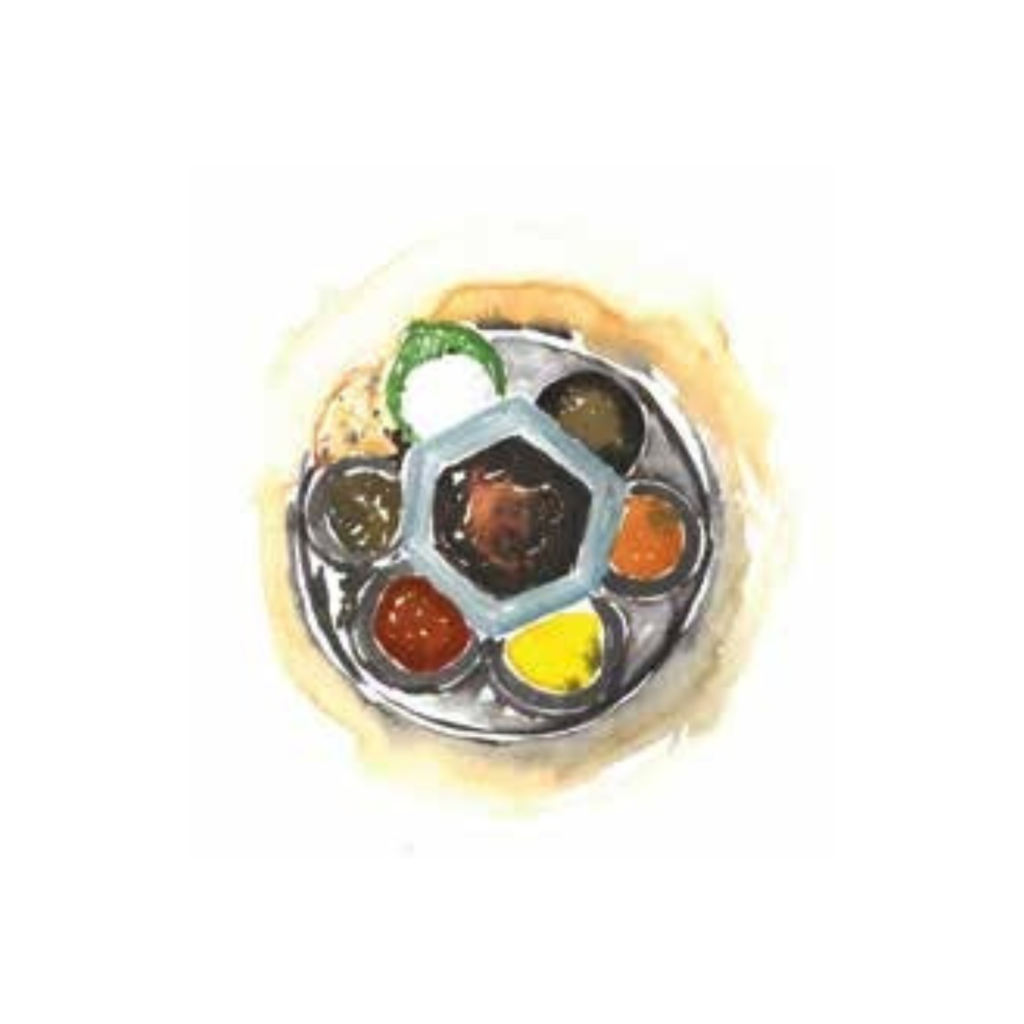
In Kangra, a traditional feast known as Kangri Dham belongs firmly to the second kind. More than a collection of dishes, Dham is an expression of hospitality, community and a food culture that has been passed down through generations. It is the kind of meal that asks you to slow down, sit with others and give food the attention it deserves.
Traditionally prepared for weddings, festivals, religious occasions and community gatherings, Kangri Dham is cooked by specialist cooks known as botis. The food is prepared in large quantities, often in traditional vessels, and served in a particular sequence. There is an unmistakable sense of occasion around it—even when the ingredients themselves are simple.
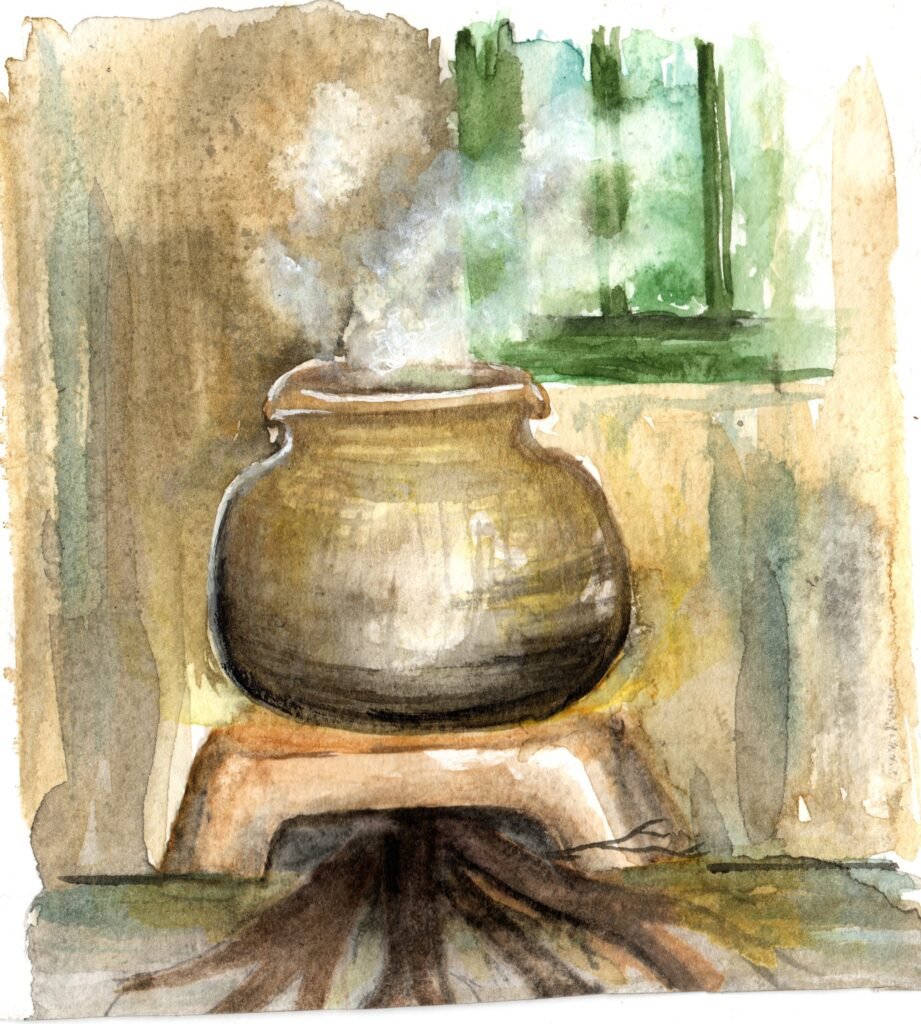
One of the most distinctive things about Dham is how it is served. Traditionally, diners sit together in rows, and the food is served on pattal, plates made from leaves. There is no individual ordering and no choosing dishes from a menu. Instead, food arrives course by course, and the meal unfolds at its own pace.
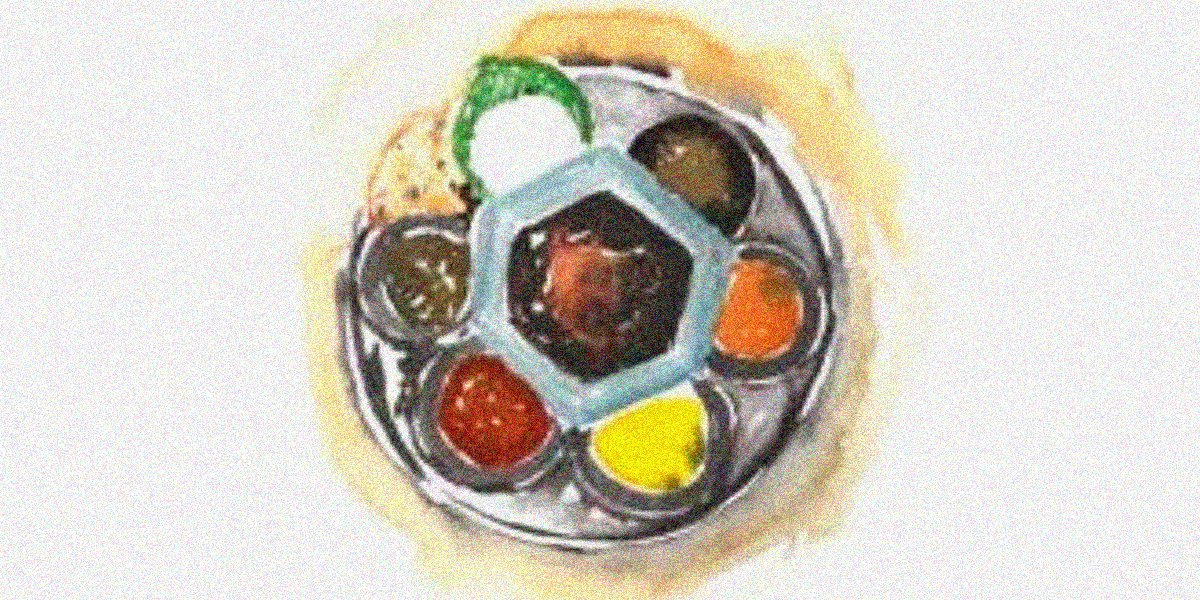
The flavours are equally distinctive. Kangri Dham is known for its use of lentils, yoghurt, spices and local ingredients, with many preparations relying on the gentle sourness of fermented or yoghurt-based flavours. Madra, one of the best-known preparations associated with Himachali Dham, is rich and creamy, traditionally made with yoghurt and legumes such as chickpeas. Other dishes can include rajma madra, khatta, sepu badi and meethe chawal, although the exact menu varies according to the occasion, family and region.
And then there is khatta—one of the flavours that gives Kangri food its personality. Tangy, aromatic and often slightly sweet and sour, it provides a welcome contrast to the richer dishes on the plate.
A Dham is also about abundance, but not abundance in the modern sense of endless choice. It is abundance as generosity. Someone has spent hours preparing the food, people have gathered to share it, and everyone is fed together.
In a world of quick breakfasts and meals eaten while looking at a phone, Dham follows a different rhythm. You sit down. You wait. Food arrives. You eat with the people around you. You talk. Another serving comes. There is nowhere else you need to be.
For a visitor to Bir and the Kangra Valley, experiencing a traditional Dham is therefore not simply about trying Himachali food. It is an opportunity to understand something about the region itself—its hospitality, its community spirit and its relationship with food.